
Effective Strategies for Fundraising, Financial Management, and Investor Relations in Startups
December 28, 2024
Turning Challenges into Opportunities: How Successful Startups Master the Art of Pivoting
January 11, 2025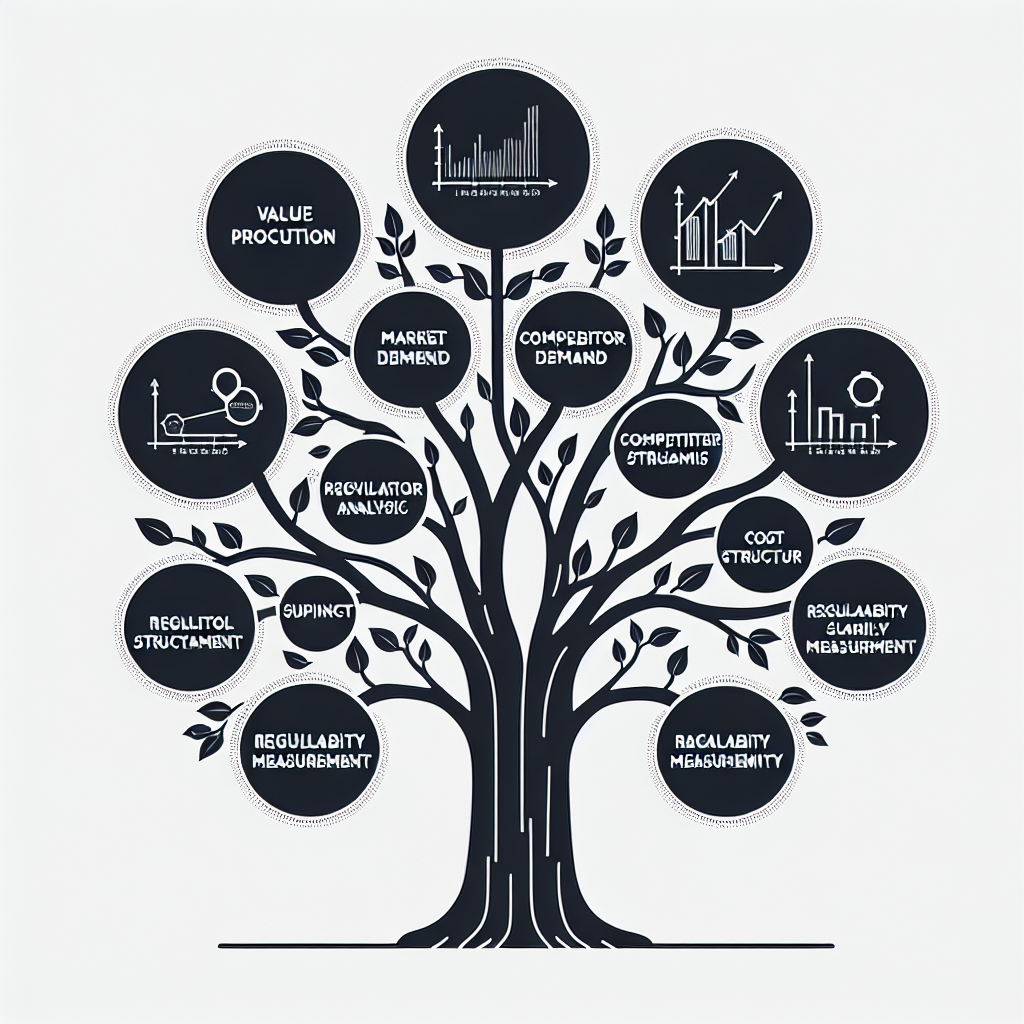
Choosing an appropriate sustainable business model is inevitable for all startups that are focused on creating long-term value in light of increasing environmental and social challenges. The business model does not pursue profit alone but aims at ensuring that impacts on society and the environment are positive and economically viable. Some of the things one may consider when choosing a business model include:
- Understanding Your Value Proposition
Any successful business model starts with a value proposition. In the case of a sustainable venture, it needs to identify how your product or service will address one or more of the identified social or environmental issues. Consider questions such as:
- What problem does your venture solve?
- Who are the beneficiaries?
- How does your offering create value for society and the planet?
- Market Demand and Customer Segmentation
Understanding the market is important to figure out who your potential customers are and understand the demand for sustainable solutions. Consider conducting in-depth market research to answer these questions:
- Who is the target audience?
- What motivates them to choose green products or services?
- Are there any specific trends or insights about ethical consumer behavior that could help inform your strategy?
- Competitor Landscape
Analyzing the competitive landscape is important in correctly positioning your venture. Look at other companies in your sector already making any claims around sustainability:
- What successful models are they using?
- What are some gaps or unmet needs within their offerings?
- How might your venture be different?
- Cost Structure and Revenue Streams
A sustainable business model would/should also be concerned about financial health. Consider the following:
- What are the costs of setting up and operating your model?
- How sustainable are your revenue streams?
- What pricing strategies could you adopt that demonstrate your commitment to sustainability yet remain competitive?
- Supply Chain and Resource Management
A good business model is greatly based on the structure of the supply chain and how resources are managed. For example:
- Can you source materials in an environmentally friendly and ethical manner?
- What actions can you take to minimize waste and reduce energy use?
- How will you establish transparent relationships with suppliers and stakeholders?
- Regulatory Environment and Compliance
Every market has its legislation regarding sustainability. It is critical to understand:
- What is the legislation or regulation for your industry?
- How might regulatory compliance impact your business model?
- Is there any incentive or grant that you can avail yourself of by using this sustainable initiative?
- Impact Measurement and Reporting
For a sustainable venture, measuring impact is necessary for growth and transparency. Consider implementing:
- Key performance indicators (KPIs) to assess social, environmental, and financial impacts.
- Regular reporting practices to communicate your sustainability efforts to stakeholders.
- Tools and frameworks, such as the Global Reporting Initiative (GRI), to guide your measurement process.
- Scalability and Flexibility
Last but not least, consider how your business model will change with time. A truly sustainable business model would be:
- Scalable and can be scaled up without proportionate increases in adverse impact.
- Flexible enough to adapt to market changes, consumer preferences, and regulatory adjustments.
Conclusion
The development of a sustainable business model requires a delicate mix of understanding market dynamics, the needs of stakeholders, and environmental impacts. Start-ups need to consider the holistic approach in such a way that their business model is based on ethical considerations and is profitable. By focusing on the value proposition, demands of customers, competitive differentiator, and impact assessments, a new venture has to emerge as a leading sustainable company with economic outcomes.
—————
References
- Nosratabadi, S., et al., Sustainable Business Models: A Review. Sustainability, 2019. 11(6): p. 1663.
- Osterwalder, A., Y. Pigneur, and T. Clark, Business Model Generation: A Handbook for Visionaries, Game Changers, and Challengers. 2010: Wiley.
- Schaltegger, S. and M. Wagner, Managing Sustainability Performance Measurement and Reporting in an Integrated Manner. Sustainability Accounting as the Link between the Sustainability Balanced Scorecard and Sustainability Reporting, in Sustainability Accounting and Reporting, S. Schaltegger, M. Bennett, and R. Burritt, Editors. 2006, Springer Netherlands: Dordrecht. p. 681-697.
- Elkington, J. and I.H. Rowlands, Cannibals with forks: The triple bottom line of 21st-century business. Alternatives Journal, 1999. 25(4): p. 42.
- Geissdoerfer, M., et al., The Circular Economy – A new sustainability paradigm? Journal of Cleaner Production, 2017. 143: p. 757-768.
